People Who Might Be Suitable for Dental Implants
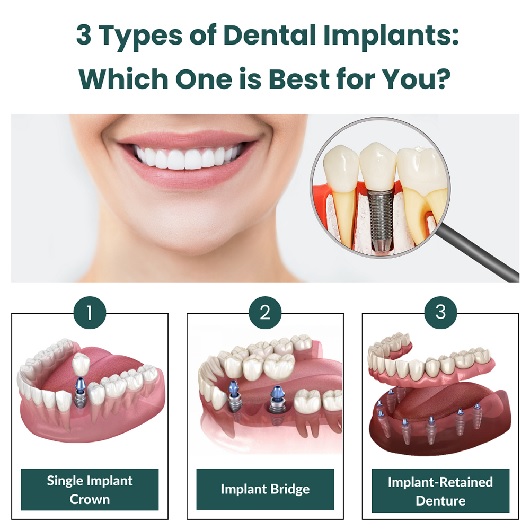
Suitable for Dental Implants
Missing teeth can affect far more than the appearance of your smile. They can make eating more difficult, change the way you speak and even impact your confidence in social or professional situations. For many people, dental implants offer a long-lasting and natural-looking solution, but not everyone is sure whether they are a suitable candidate.
Dental implants are designed to replace missing tooth roots with small titanium posts that support crowns, bridges, or dentures. They are secure, durable and made to function much like natural teeth. If you are considering this treatment, here are some of the people who may be suitable for dental implants.
People with One or More Missing Teeth
Dental implants can be a great option for people who have lost one tooth, several teeth, or even a full arch of teeth. Tooth loss can happen for many reasons, including decay, gum disease, injury or natural wear over time.
For a single missing tooth, an implant can support an individual crown without affecting the neighbouring teeth. For multiple missing teeth, implants can support a bridge or a more comprehensive restoration. In cases where a full set of teeth needs replacing, options such as All on 4 implants Matlock & Chesterfield may be considered to restore a complete smile using fewer implants.
People Who Struggle with Dentures
Traditional dentures can work well for some people, but others find them uncomfortable, loose, or difficult to manage. Dentures that slip while eating or speaking can be frustrating and may make people feel self-conscious.
Dental implants can help provide greater stability. Implant-supported dentures or full-arch implant solutions are designed to stay more securely in place, which can make everyday activities feel easier and more natural.
People with Good General Health
Because dental implant treatment involves a minor surgical procedure, good general health is important. Suitable candidates are usually healthy enough to heal well after treatment. Conditions such as uncontrolled diabetes or certain immune system issues may affect healing, so these need to be discussed with a dentist before treatment begins.
This does not mean that having a medical condition automatically rules someone out. It simply means a full assessment is needed to decide whether implants are safe and appropriate.
People with Healthy Gums
Healthy gums play a major role in implant success. Gum disease can damage the tissues and bone that support the teeth, so it must usually be treated before dental implant placement.
A dentist will check the health of your gums during an initial consultation. If gum problems are present, treatment may be recommended first to create a healthier foundation for implants.
People with Enough Jawbone
Dental implants need enough strong jawbone to support them. When teeth have been missing for a long time, the jawbone can shrink in that area. This may affect whether implants can be placed straight away.
In some cases, bone grafting or other preparatory treatments may be possible. A dental assessment, often including scans or X-rays, can help determine the best approach.
People Looking for a Long-Term Solution
Dental implants are often suited to people who want a fixed, long-term alternative to removable dentures or bridges. With good care, they can last for many years. This includes regular dental check-ups, good oral hygiene, and avoiding habits that may put too much pressure on the implants.
Is an Assessment the Best First Step?
The only way to know whether dental implants are right for you is to have a professional consultation. A dentist can assess your oral health, jawbone, medical history, and personal goals before recommending the most suitable treatment options. For many people, implants can be a life-changing way to restore comfort, confidence, and a natural-looking smile.