Cybersecurity Challenges Facing Modern Research Institutions
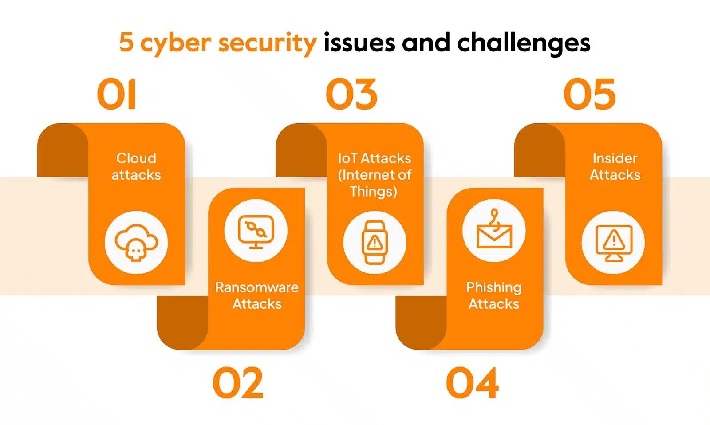
Cybersecurity Challenges
Research institutions are responsible for some of the world’s most valuable information. From scientific discoveries and medical breakthroughs to proprietary datasets and collaborative projects, these organizations handle large volumes of sensitive data every day. As research increasingly relies on digital technologies, cloud platforms and global collaboration, protecting this information has become more challenging than ever.
Cybercriminals recognize the value of research data and frequently target universities, laboratories, and research centers. At the same time, limited budgets, aging infrastructure and complex IT environments can make it difficult for institutions to maintain a strong security posture. Understanding these challenges is the first step toward building more resilient systems.
Protecting Valuable Intellectual Property
Research projects often involve years of work and significant financial investment. Intellectual property, unpublished findings, and proprietary methodologies can all become attractive targets for cybercriminals seeking financial gain or competitive advantage.
Unauthorized access to this information can have serious consequences, including the loss of research opportunities, damaged partnerships, and reputational harm. Institutions must implement appropriate access controls, encryption and monitoring to safeguard their most valuable assets.
Managing Diverse IT Environments
Modern research institutions rarely operate within a single, standardized IT environment. Researchers may use high-performance computing clusters, cloud-based applications, laboratory equipment, personal devices and specialized software, all connected to the same network.
This diversity creates numerous potential entry points for attackers. Maintaining visibility across every device and system becomes increasingly difficult as new technologies are introduced and research projects expand. Developing consistent security policies while supporting the flexibility researchers require is an ongoing balancing act.
Addressing Limited Security Resources
Many research organizations operate with constrained budgets that prioritize scientific work over cybersecurity investments. As a result, IT departments are often responsible for maintaining infrastructure, supporting users and managing security with relatively small teams.
To strengthen monitoring without significantly increasing internal workloads, some institutions supplement their capabilities with services such as managed SIEM. Centralized monitoring helps identify unusual activity across multiple systems while allowing internal staff to focus on supporting research initiatives and responding to higher-priority security events. This approach can provide greater visibility into network activity without requiring institutions to build a dedicated security operations center.
Supporting Open Collaboration Securely
Collaboration is fundamental to research. Institutions regularly share information with universities, government agencies, healthcare organizations and private industry partners around the world.
While collaboration accelerates innovation, it also introduces additional cybersecurity considerations. Secure file sharing, identity management, access permissions and data governance all become increasingly important when multiple organizations need access to shared resources. Carefully managing user permissions helps ensure that collaborators can access the information they need while minimizing unnecessary exposure.
Combating Phishing and Social Engineering
Researchers and administrative staff receive large numbers of emails every day, making phishing attacks an ongoing concern. Attackers often create convincing messages that appear to come from funding agencies, research collaborators, journal publishers or institutional leadership. Even a single successful phishing attack can provide attackers with credentials that allow them to move throughout the network. Regular security awareness training helps employees recognize suspicious communications and reinforces safe practices for handling sensitive information.
Meeting Regulatory and Compliance Requirements
Research institutions frequently handle regulated information, including patient records, government-funded research, and personally identifiable information. Depending on the nature of the research, organizations may need to comply with multiple regulatory frameworks and contractual obligations. Maintaining detailed audit logs, implementing strong access controls and documenting security procedures are all important aspects of compliance. Integrating these practices into daily operations makes it easier to demonstrate accountability during audits and reviews.
Preparing for Emerging Threats
Cyber threats continue to evolve as attackers adopt new techniques and target increasingly sophisticated environments. Research institutions must remain proactive by regularly assessing vulnerabilities, updating systems, and reviewing incident response plans.
Security is not a one-time investment but an ongoing process that adapts alongside changing technologies and research priorities. By combining employee education, effective governance, modern monitoring capabilities and thoughtful risk management, institutions can better protect the valuable knowledge they create while continuing to support innovation and scientific discovery.