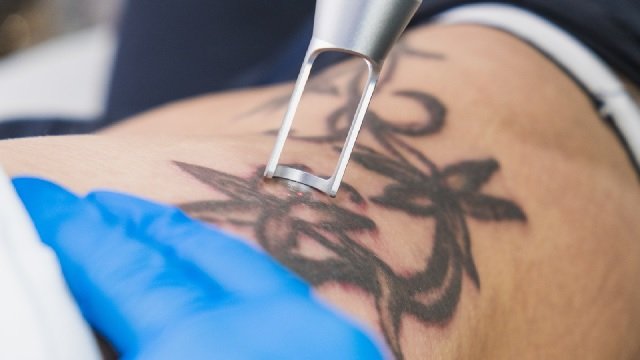
Getting a tattoo removed is a significant decision, and understanding how to optimize the process can make all the difference in your results. Whether you’re clearing space for new ink or saying goodbye to a regrettable design, following the right approach will help you achieve clearer skin more effectively. Let’s explore the essential tips that will maximize your tattoo removal success and minimize potential complications.
Choose the Right Removal Technology and Provider
Not all tattoo removal methods are created equal, and selecting the appropriate technology is crucial for your success. Laser removal, particularly Q-switched and picosecond lasers, has become the gold standard for eliminating unwanted ink. These advanced systems break down tattoo pigments into tiny particles that your body can naturally eliminate.
When searching for treatment, research providers thoroughly and look for clinics with proven track records. Seeking the best tattoo removal in Houston, TX means finding practitioners who use FDA-approved equipment and have extensive experience with various ink colors and skin types. Don’t hesitate to schedule consultations with multiple providers to compare their approaches, technology, and pricing structures.
Remember that the cheapest option isn’t always the best investment. Quality equipment operated by trained professionals may cost more upfront but typically delivers superior results with fewer sessions and reduced risk of scarring or skin damage.
Follow Pre-Treatment Preparation Guidelines
Preparing your skin properly before each session significantly impacts how effectively your body responds to treatment. Start by avoiding sun exposure for at least four weeks before your appointment, as tanned or sunburned skin increases the risk of complications and may prevent your provider from treating you altogether.
Stay well-hydrated in the weeks leading up to your treatment. Proper hydration supports your lymphatic system, which plays a vital role in flushing out the fragmented ink particles. Additionally, avoid blood-thinning medications and supplements like aspirin, ibuprofen, and vitamin E for at least 48 hours before treatment unless medically necessary.
Arrive at your appointment with clean, product-free skin. Skip lotions, oils, and makeup on the treatment area, as these can interfere with the laser’s effectiveness and potentially cause adverse reactions.
Commit to Proper Aftercare Between Sessions
What you do between treatments is just as important as the treatments themselves. Immediately after each session, treat the area like a wound because that’s essentially what it is. Keep the treated area clean and dry, and apply any prescribed ointments as directed by your provider.
Avoid picking at blisters, scabs, or peeling skin, even though it might be tempting. Your body’s natural healing process is working to eliminate the shattered ink particles, and interfering with this process can lead to scarring or infection. Cover the area with loose, breathable clothing to protect it from friction and environmental irritants.
Continue avoiding direct sun exposure throughout your entire removal journey, not just before treatments. UV rays can cause hyperpigmentation in treated areas, creating discoloration that may be harder to address than the original tattoo. When sun exposure is unavoidable, use a broad-spectrum SPF 50 or higher sunscreen.
Maintain a Healthy Lifestyle to Support Your Immune System
Your immune system does the heavy lifting when it comes to removing tattoo ink from your body. After the laser breaks down the pigment, your white blood cells carry away these particles through your lymphatic system. Supporting your body’s natural processes can significantly improve your results.
Exercise regularly to boost circulation and lymphatic drainage. Activities that get your heart pumping help your body process and eliminate ink particles more efficiently. However, avoid intense workouts immediately after treatment until your skin has had time to heal.
Maintain a nutritious diet rich in antioxidants, vitamins, and minerals. Foods high in vitamin C, vitamin E, and zinc support skin healing and immune function. Stay away from smoking and excessive alcohol consumption, as these habits impair your immune response and slow the removal process considerably.
Be Patient and Realistic About the Timeline
Perhaps the most important tip is managing your expectations about how long the process will take. Complete tattoo removal typically requires multiple sessions spaced six to eight weeks apart, with most tattoos needing anywhere from five to fifteen treatments depending on various factors.
Ink color, tattoo age, location on your body, and your individual immune response all influence how quickly you’ll see results. Black and dark blue inks generally respond fastest, while colors like yellow, green, and light blue can be more stubborn. Professional tattoos with dense ink saturation take longer than amateur tattoos.
Resist the urge to schedule sessions too close together. Your body needs adequate time between treatments to heal and flush out the fragmented particles. Rushing the process won’t speed up your results and may actually compromise them.
Conclusion
Successful tattoo removal requires a combination of choosing the right provider, following proper care protocols, supporting your body’s natural healing processes, and exercising patience throughout the journey. By implementing these five tips, you’ll position yourself for the best possible outcome while minimizing risks and complications. Remember that everyone’s removal experience is unique, so maintain open communication with your provider and adjust your approach as needed based on how your body responds to treatment.