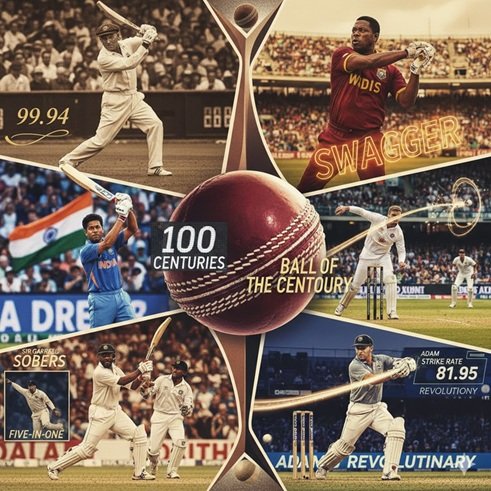
Cricket has always been more than formats, scorecards, and playing conditions. The sport carries the imprint of people who changed it – the run machines who bent records, the bowlers who made batters rethink their technique, the captains who held fragile teams together, and the quieter figures who shifted standards without chasing headlines. “Legend” is not a single category. It can mean genius, stubborn resilience, tactical bravery, or simple consistency over decades. In this guide, each short bio focuses on what a player actually changed in the game’s story, rather than counting trophies or repeating numbers anyone can find in an archive.
What Makes a Cricketer “Legendary”?
Numbers are the starting point, not the whole picture. Centuries, five-fors, and averages hint at greatness, but the truly memorable players are defined by what happens around those stats. Composure in a collapsing chase, bowling through pain when everyone else looks beaten, or taking responsibility after a mistake – these moments live longer than any table. The greatest figures alter how cricket itself is played, inventing new strokes, pushing fields into strange shapes, or showing that a different pace, length, or mindset can win matches.
Their impact is also cultural. Some legends become shared reference points for fans across continents, from stadium regulars to online desi communities following every ball on live hubs. Young players copy their backlift, pre-delivery routine, or body language under pressure. Over time, these examples turn into symbols of an era – proof that being “legendary” is as much about influence and imagination as it is about raw totals.
Game Changers With the Bat and Ball
On-field legends usually leave a fingerprint you can still spot in today’s scorecards. Some batters changed what was considered possible at the crease. They mixed solid technique with new shot ranges, turning good lengths into scoring opportunities and showing that strike rate could rise without throwing discipline away. Their most famous innings are remembered not only for the numbers, but for how they forced opponents to rethink fields, plans, and even selection.
Bowlers have done the same from the other side. A few great quicks proved that sustained hostility and clever angles could control entire series. Crafty spinners showed how variation in pace, flight, and seam position could make even flat pitches feel dangerous. These players introduced new deliveries, set unusual fields, and built pressure in ways that modern attacks still copy. When current stars talk about “bowling to a template” or “playing with freedom”, they are often walking paths that these earlier game changers cleared.
Captains, Mentors, and Quiet Leaders Who Changed Team Culture
Not every giant of the game is remembered for sixes into the stands or ten-fors on a flat deck. Some changed cricket most by the way they ran a team. Certain captains took over sides that looked lost and slowly gave them a clear personality – sharper field settings, braver declarations, tougher selection calls. Their influence shows up less in numbers and more in how former teammates describe them: the one who absorbed noise from the outside, protected players during bad runs, and insisted on proper fitness, preparation, and respect for the contest.
Alongside them stand mentors and senior pros who seldom chase the spotlight but nudge an entire dressing room in a better direction. They stay after practice to throw a few extra balls, talk younger players through rough patches, and demand higher standards long before anyone posts about it. Many coaches and support staff in this group quietly pulled cricket into the modern era – smarter warm-ups, useful video work, and real recovery routines instead of just “rest up”.
In practical terms, their legacy looks like:
- teams that arrive prepared, not just hopeful;
- younger players who know what “being a pro” actually means;
- training sessions that feel focused, not random;
- habits around food, sleep, and rehab that keep careers going longer;
- a culture where effort and honesty matter as much as raw talent.
How Their Stories Still Shape Modern Players and Fans
Modern cricket is full of echoes. Young batters model their stance, trigger movements, or follow-through on clips of earlier greats. Bowlers borrow celebrations, field settings, or even specific match rituals from their heroes. In interviews, current players often describe watching old footage on TV or digital platforms and trying to recreate a particular spell or partnership. The past lives inside their technique and mindset.
Fans experience that legacy differently but just as strongly. Documentaries, short highlight edits, and live hubs that resurface classic innings keep older eras in circulation for new generations. Stories about playing through injury, refusing to walk away from a tough chase, or admitting a mistake in public shape what people think a “true great” looks like. When supporters argue about who belongs in an all-time XI, they are really talking about values as much as about averages – bravery, humility, and the ability to lift others.
Carrying the Legacy Forward: Learning From Legends, Not Just Admiring Them
The easiest way to make sense of cricket legends is to treat them as examples you can learn from, not as distant monuments. Their careers are full of habits that work just as well in club games as in World Cups: turning up ready instead of “warming into it”, adjusting to a slow pitch or a swinging ball instead of blaming it, and recognising that the quiet roles in a team matter as much as the flashy ones.
For coaches and parents, these stories are ready-made material. A collapsed chase becomes a lesson in recovering from mistakes, not an excuse for shouting. A player who walks after edging the ball is a starting point for talking about honesty. A senior batter who sacrifices a record to finish a chase shows what it really means to put the team ahead of personal glory.
Their records will always live in scorebooks and highlight clips. The real impact appears when kids at school games, friends in weekend leagues, and players on local grounds prepare properly, support each other, and enjoy the contest with the same seriousness and joy those legends once brought to the middle.