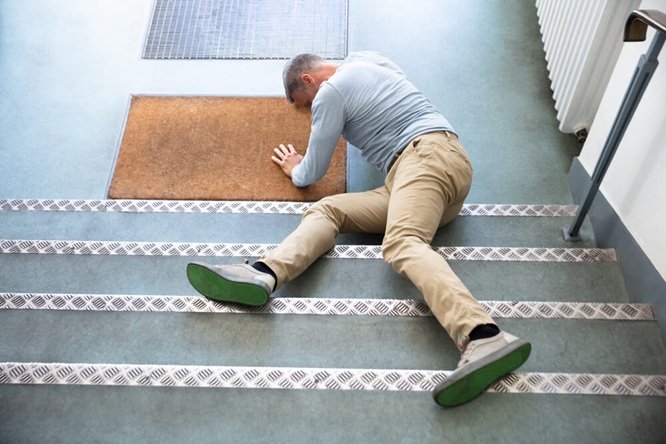
Slip and fall accidents can happen almost anywhere: grocery stores, apartment buildings, parking lots, restaurants, workplaces, and even private homes. People often assume these cases are “minor,” but a fall can cause serious injuries like fractures, head trauma, back injuries, and long-term pain. The hard part is that after a fall, the property owner or insurance company may try to downplay what happened or claim it was your fault. That’s why understanding how falls happen and what to document matters so much.
Slip-and-fall cases can become complicated quickly, especially when insurance companies try to shift the blame onto the injured person. That’s why many people look for guidance early through resources like www.ourclientswin.com and firms like The Law Office of Brent D. Rawlings, where the focus is often on proving the hazard existed and showing how it caused the injury.
Most slip-and-fall injuries result from preventable hazards. Wet floors are one of the most common causes, especially when there is no warning sign or the area is poorly monitored. Spills, mopped areas, and tracked-in rainwater near entrances can create slick surfaces fast. Uneven flooring is another major issue. Small changes in height, torn carpeting, loose tiles, or lifted mats can cause someone to trip and go down without even realizing it.
Outdoor falls are often caused by cracked sidewalks, broken steps, potholes, uneven pavement, or poor drainage. Lighting also matters more than people think. A hazard that’s visible in daylight can become dangerous at night if the area is dim or missing proper lighting. Stairs are especially risky because missing handrails, loose stair treads, or poor step design can lead to serious injuries.
Some of the most common causes of slip and fall accidents include:
- Wet floors without proper warning signs
- Spills, leaks, or recently cleaned surfaces
- Loose rugs, mats, or uneven carpeting
- Broken stairs, damaged handrails, or worn step edges
- Cracked sidewalks, potholes, and uneven pavement
- Poor lighting in hallways, parking lots, or stairwells
Slip-and-fall cases often come down to one key issue. Was the hazard something the property owner should have fixed or warned people about? Documentation helps answer that question clearly.
What Property Owners May Be Responsible For
In general, property owners and managers have a duty to keep their property reasonably safe for visitors. That doesn’t mean they’re responsible for every single accident. But they can be responsible when they fail to address hazards they knew about, or should have known about, with reasonable inspections and maintenance.
For example, if a store has a spill on the floor and no one cleans it up for a long time, that can be a problem. If an apartment stairwell has been without working lighting for weeks and a tenant falls, that can also show negligence. Property owners are expected to fix hazards within a reasonable time or clearly warn people until the issue is repaired.
A few examples of what property owners may be responsible for include:
- Failing to clean spills or place warning signs
- Not repairing broken stairs, railings, or flooring
- Ignoring known maintenance issues or repeated complaints
- Poor lighting in areas where people are expected to walk
- Unsafe walkways, entry areas, or parking lot conditions
Responsibility often depends on details like how long the hazard existed, whether the owner had notice of it, and whether it was likely to cause injury. If employees or staff created the hazard, such as leaving water on the floor after cleaning, responsibility becomes even clearer.
What to Do Immediately After a Fall
What you do right after a slip and fall can affect both your health and the strength of your claim later. It’s normal to feel embarrassed or rushed after falling, but try to slow down and take smart steps before leaving the scene. Many injuries don’t show up fully right away, and evidence can disappear fast.
First, check yourself for pain, dizziness, or signs of injury. If you hit your head, feel numbness, or have sharp pain, call for help immediately. Don’t push yourself to “walk it off.” It’s better to be cautious than to make the injury worse.
Next, report the incident. If you fall in a store or building, tell a manager or staff member and ask for an incident report. This creates a record that the fall happened. If possible, get a copy of the report summary or take a photo of it.
Then document the hazard. Take photos of what caused the fall, including wide shots and close-ups. Capture the lighting, any warning signs (or lack of signs), the condition of the floor or walkway, and anything else that explains why it was unsafe. If your clothing or shoes were affected (wet, torn, dirty), keep them. Don’t wash or throw them away.
Also, look for witnesses. If someone saw you fall or saw the hazard earlier, ask for their name and phone number. Witnesses can be extremely helpful if the property owner later denies the issue.
Steps to take right after a slip and fall include:
- Get medical help if you’re hurt or feel unstable
- Report the fall to a manager or property staff
- Take photos of the hazard before it’s cleaned or repaired
- Collect witness contact information
- Keep records of symptoms and follow up with a doctor
The biggest mistake after a fall is leaving without evidence. Once the area is cleaned up or fixed, it becomes much harder to prove what caused the injury. Taking a few minutes to document the scene can protect you later and help you focus on recovery.