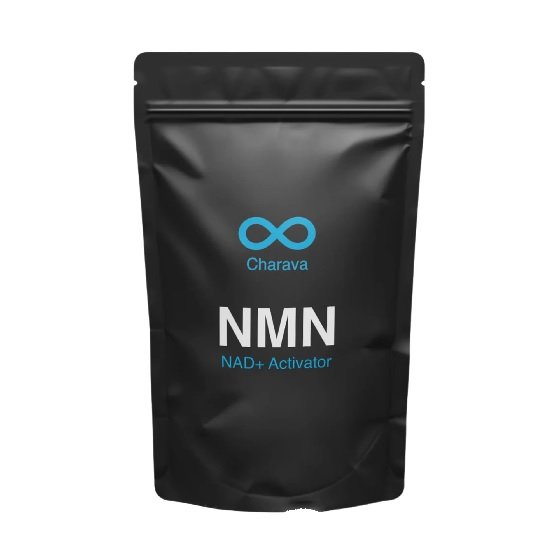
Nicotinamide mononucleotide (NMN) has become one of the most popular supplements in the longevity and cellular health space, prized for its ability to boost NAD+ levels and support energy metabolism, DNA repair and healthy aging. While much attention focuses on dosage and quality, an often-overlooked question significantly impacts effectiveness: when should you take NMN? Research suggests that timing matters for NAD+ precursors, as your body’s natural rhythms influence how efficiently it processes and utilizes these compounds. Understanding optimal timing helps you maximize the benefits of your NMN supplementation.
Why Timing Matters for NMN
NAD+ metabolism follows distinct circadian patterns in your body. Levels naturally fluctuate throughout the day, influenced by your body’s internal clock, feeding patterns, activity levels, and cellular demands. These rhythms affect how your cells produce, use and recycle NAD+.
Taking NMN supplement at times when your body is primed to convert it to NAD+ and utilize it efficiently may enhance its effectiveness. Conversely, poor timing might result in suboptimal conversion or utilization, reducing the value you get from supplementation.
Morning Administration: The Most Common Recommendation
Most experts and researchers suggest taking NMN in the morning, typically upon waking or with breakfast. Several scientific rationales support this timing recommendation.
Alignment With Natural NAD+ Rhythms
Research indicates that NAD+ biosynthesis and utilization follow circadian patterns that peak during waking hours when cellular energy demands are highest. Your body naturally ramps up NAD+ production in the morning as you transition from the fasted state of sleep to active daytime metabolism.
By providing NMN in the morning, you supply precursor molecules when your cells are primed to convert them to NAD+ and put them to immediate use supporting daytime activities, energy production and metabolic functions.
Supporting Daytime Energy and Alertness
One of NMN’s primary benefits involves supporting cellular energy through enhanced mitochondrial function. Taking NMN in the morning may help optimize energy availability throughout your active hours when you need it most.
Some users report improved alertness, mental clarity, and sustained energy when taking NMN early in the day. While individual experiences vary, aligning supplementation with your natural energy needs makes intuitive sense.
Avoiding Potential Sleep Interference
Though NMN doesn’t act as a stimulant like caffeine, its role in supporting cellular energy metabolism has led some users to report difficulty sleeping when taking it too late in the day. While this isn’t universal, morning dosing eliminates any potential for evening supplementation to interfere with sleep quality.
For comprehensive guidance on optimal timing protocols based on current research, detailed resources explaining the best time to take NMN can help you develop a schedule that maximizes benefits.
Alternative Timing Strategies
While morning administration represents the most common recommendation, other approaches may work better for certain individuals or goals.
Split Dosing Throughout the Day
Some practitioners suggest dividing your daily NMN dose into two servings—typically morning and early afternoon. The rationale involves maintaining more consistent NAD+ precursor availability throughout active hours.
NMN has a relatively short half-life in the bloodstream, meaning levels drop fairly quickly after ingestion. Split dosing theoretically provides more sustained substrate availability for NAD+ production.
This approach might particularly benefit those taking higher total daily doses (500mg or more) who want to spread the load across the day rather than processing it all at once.
Before Exercise
Some research and anecdotal reports suggest taking NMN 30-60 minutes before exercise may enhance workout performance and recovery. The theory is that providing NAD+ precursors before physical activity ensures adequate substrate availability to support increased energy demands during exercise.
While specific research on exercise timing for NMN remains limited, the mechanism makes biological sense given NAD+’s central role in energy metabolism.
Food Timing: With or Without Meals?
The question of whether to take NMN with food or on an empty stomach produces mixed guidance.
Empty Stomach Advantage
Some evidence suggests NMN absorption may be more efficient on an empty stomach, as it doesn’t compete with nutrients from food for absorption and transport mechanisms. This has led some experts to recommend taking NMN first thing in the morning before breakfast, waiting 15-30 minutes before eating.
With Food for Digestive Comfort
Other practitioners suggest taking NMN with breakfast or meals to minimize any potential digestive discomfort. While NMN typically doesn’t cause stomach upset, taking it with food provides a buffer for those with sensitive digestion.
The practical difference in absorption between these approaches in real-world use remains unclear. If empty-stomach dosing causes any discomfort, taking NMN with food represents a perfectly acceptable alternative.
Evening Timing: When It Might Work
While generally not recommended as the first choice, evening NMN timing isn’t necessarily problematic for everyone. Some considerations might actually favor evening administration in specific contexts.
Supporting Overnight Cellular Repair
NAD+ plays crucial roles in DNA repair and cellular maintenance processes that occur during sleep. Some theorize that providing NMN in the evening ensures adequate NAD+ availability to support these overnight repair mechanisms.
Individual Response Variation
A subset of users reports no sleep interference from evening NMN and may even prefer this timing based on their daily schedules or other supplement routines. Individual experimentation, while staying attentive to sleep quality, can help identify what works for your unique physiology.
Just as optimal timing varies for different supplements—with research exploring whether CoQ10 works better in the morning or night—individual variation means that while general guidelines favor morning NMN, personalization based on response remains important.
Factors Influencing Your Optimal Timing
Age and Baseline NAD+ Status
Older individuals with more depleted NAD+ levels might benefit from more consistent supplementation timing, while younger users might have more flexibility.
Lifestyle and Schedule
Your daily routine should inform timing decisions. Someone working night shifts might adjust timing to align with their unique circadian phase. Those with unpredictable schedules might prioritize consistency over specific timing.
Other Supplements in Your Regimen
If you’re combining NMN with other supplements like resveratrol (often taken together for synergistic effects), vitamin B complex, or other NAD+ precursors, coordinating timing can simplify your routine and potentially enhance complementary mechanisms.
Specific Health Goals
Your primary objectives with NMN supplementation might influence optimal timing. If energy and cognitive performance are priorities, morning administration aligns well. If supporting overnight cellular repair is the focus, evening might make sense.
Consistency Matters More Than Perfection
While optimizing timing can enhance effectiveness, consistency likely matters more than achieving perfect timing. Taking NMN regularly at whatever time fits reliably into your schedule produces better results than sporadic supplementation at theoretically optimal times.
Your body adapts to regular patterns, and establishing a consistent routine—whether that’s with your morning coffee, before your workout, or at another anchored point in your day—ensures you don’t miss doses and maintains steady long-term supplementation.
Monitoring and Adjusting Your Timing
Pay attention to how different timing strategies affect your subjective experience. Track energy levels throughout the day, sleep quality and patterns, workout performance and recovery, and overall sense of wellbeing.
After establishing a baseline with your initial timing choice, you might experiment with adjustments to see if different approaches produce noticeable changes. Give each timing strategy at least 2-4 weeks before evaluating, as immediate effects don’t always reflect long-term patterns.
Special Timing Considerations
During Fasting or Intermittent Fasting Protocols
For those practicing intermittent fasting, timing NMN becomes more complex. Some evidence suggests fasting itself boosts NAD+ levels through activation of certain metabolic pathways. Taking NMN during your eating window makes sense, though whether it breaks a fast (technically it contains minimal calories) depends on your fasting goals.
When Traveling Across Time Zones
Jet lag disrupts circadian rhythms that influence NAD+ metabolism. During travel, maintaining your supplement schedule based on your home time zone for the first few days, then gradually adjusting to your destination time zone, may help minimize disruption.
Frequently Asked Questions
Will taking NMN at night keep me awake?
Most people don’t experience sleep disruption from NMN, but individual responses vary. Some users report feeling more alert if they take it too close to bedtime. If you’re concerned about sleep interference, start with morning dosing. If you want to try evening administration, start on a night when poor sleep wouldn’t significantly impact your next day, allowing you to assess your individual response without major consequences.
Should I take NMN at the same time every day?
Consistency is beneficial for maintaining steady supplementation and allowing your body to adapt to a regular pattern. However, occasional variations in timing (within a few hours) shouldn’t significantly impact overall effectiveness. The key is establishing a reliable routine that fits your lifestyle rather than achieving minute-by-minute precision.
Can I take NMN with coffee in the morning?
There’s no known negative interaction between NMN and caffeine. Many people include NMN in their morning routine alongside coffee without issues. However, if taking NMN on an empty stomach for potential absorption benefits, you might wait 15-30 minutes after taking NMN before having coffee, particularly if you add milk or other ingredients that constitute “breaking your fast.”
How long before I notice benefits from taking NMN at the optimal time?
The timeline varies considerably between individuals. Some people report subjective improvements in energy or mental clarity within 1-2 weeks, while others notice more gradual changes over several months. Benefits related to cellular health and NAD+ restoration develop at levels you may not consciously perceive. Most experts suggest evaluating effectiveness after at least 8-12 weeks of consistent, properly-timed supplementation rather than expecting immediate dramatic changes.